Tickets
Guided visits and skip-the-queue entry
Most of Krakow’s busier sites sell timed entry online, and several are far better with a guide who can explain what you are looking at.
Some links on this page are partner links. If you book through one, Krakow.com earns a commission at no extra cost to you. It is what keeps the guide free. Who pays us.
Few museums in Europe can match the sheer scale and emotional weight of stepping onto a historic airfield surrounded by over two centuries of aircraft that helped shape the modern world - and Poland's own turbulent history.
History & Background
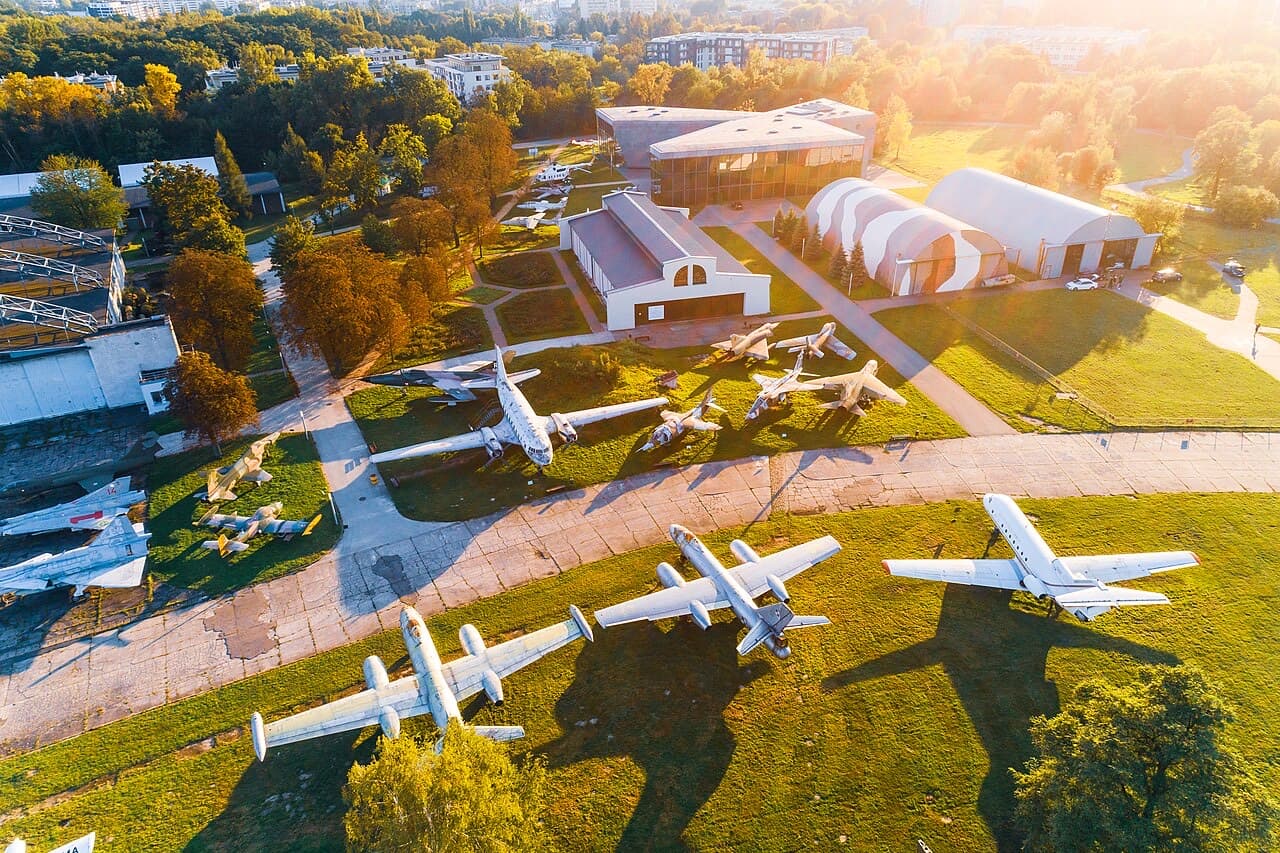
Opened in 1964 and dramatically expanded in recent decades, the Polish Aviation Museum (Muzeum Lotnictwa Polskiego) sits on the grounds of the former Rakowice-Czyżyny airfield, one of the oldest military airfields in the world, established in 1912 under Austro-Hungarian rule. This location isn't just logistically convenient - it's deeply symbolic. The same tarmac that once launched wartime missions now hosts a peaceful celebration of human ingenuity and courage. The museum holds particular significance for its tribute to the No. 303 Polish Fighter Squadron, the RAF's highest-scoring squadron during the Battle of Britain, whose story remains a source of fierce national pride. Understanding this history transforms your visit from sightseeing into something genuinely moving.
What to Expect
The collection spans over 260 aircraft and gliders, displayed across two enormous hangars and a sprawling outdoor area. You'll walk from WWI-era biplanes through to Cold War Soviet MiGs and experimental Polish-built prototypes - an extraordinary timeline told through steel, canvas, and glass. The interactive exhibitions are genuinely well-designed, avoiding the dusty-display-case trap that plagues lesser aviation museums. Budget at least two to three hours; aviation enthusiasts will easily spend a full afternoon. The museum is located in the Czyżyny district, on the edge of Nowa Huta, making it a natural pairing with a visit to that fascinating socialist-realist neighbourhood. Admission is 35 PLN (reduced 21 PLN), and free on Tuesdays.
Insider Tip
Most visitors rush through the hangars and skip the outdoor tarmac display entirely - don't make that mistake. The open-air section contains some of the rarest airframes in the collection, including Cold War-era jets you can get surprisingly close to. Visit on a weekday morning when tour groups are sparse and the light is ideal for photography. If you're visiting between May and September, check the museum's event calendar for occasional airshow days and open cockpit events - these aren't heavily advertised in English but offer a hands-on experience that's genuinely rare at any European aviation museum.
Before you go
Quick answers
- What are the opening hours of Polish Aviation Museum?
- October: Tue-Sun 9:00-17:00 (hours vary by month); ticket sales and last entry 45 minutes before closing.
- How much does it cost to visit Polish Aviation Museum?
- 35 PLN, reduced 21 PLN; free on Tuesdays.
- Where is Polish Aviation Museum?
- Al. Jana Pawła II 39, 30-969 Kraków, in the Nowa Huta district of Krakow.
Close by
All restaurants →