Tickets
Guided visits and skip-the-queue entry
Most of Krakow’s busier sites sell timed entry online, and several are far better with a guide who can explain what you are looking at.
Some links on this page are partner links. If you book through one, Krakow.com earns a commission at no extra cost to you. It is what keeps the guide free. Who pays us.
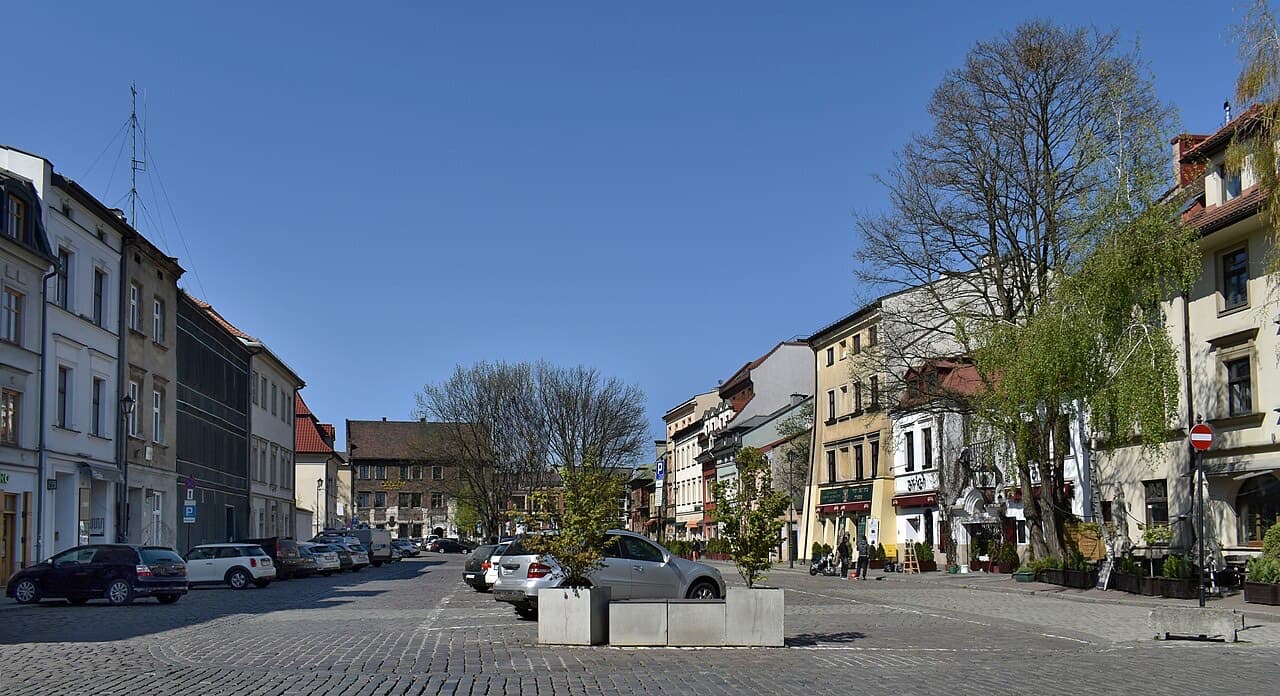
Few streets in Europe carry as much history, heartbreak, and cultural resilience in a single block as this one. Ulica Szeroka - literally "Wide Street" - is the beating heart of Kazimierz, Krakow's historic Jewish quarter, and one of the most emotionally resonant places in the entire city.
History & Background
Despite its name, Szeroka Street is technically more of an elongated square than a street - a broad, open space that served as the main market and social hub of Jewish Kazimierz for centuries. Jews settled in this district from the late 15th century after being expelled from Krakow's city center, and Szeroka became the spiritual and commercial core of their community. The street is flanked by extraordinary landmarks: the Remuh Synagogue (built in 1553, still an active place of worship) and its adjacent Old Jewish Cemetery, one of the most important surviving Renaissance-era Jewish cemeteries in Europe. Nearby, the Stara Synagoga (Old Synagogue) - the oldest surviving synagogue in Poland, dating to the 15th century - houses a fascinating museum on Jewish history and culture. The area suffered devastating losses during the Nazi occupation of WWII, when Kazimierz's Jewish population was forcibly relocated to the ghetto across the river, but Szeroka has since become a place of remembrance and renewal.
What to Expect
Today, Szeroka is a lively mix of solemn history and vibrant street life. The cobblestone square is lined with Jewish-style restaurants and klezmer music venues, where you can enjoy traditional dishes like żurek, borscht, or challah while live music drifts out of doorways. Plan to spend at least two to three hours here, especially if you visit the Old Synagogue museum (admission around 15 PLN) or pause at the Remuh Cemetery, where 16th-century tombstones lean against a wall built from fragments recovered after WWII. The atmosphere shifts beautifully throughout the day - quiet and contemplative in the morning, buzzing with tourists and locals by afternoon.
The street truly transforms during the annual Jewish Culture Festival (held each summer, usually late June to early July), when Szeroka becomes an open-air concert venue for the closing night Shabbat concert, drawing thousands of visitors in a deeply moving celebration of heritage.
Insider Tip
Most visitors cluster around the main restaurants and miss the Remuh Cemetery tucked behind the synagogue - entry costs only a few złoty and takes under 30 minutes, but the experience of walking among those ancient, moss-covered stones is unforgettable. Visit early on a weekday morning before tour groups arrive, and you'll often have it almost entirely to yourself.
Close by
All restaurants →Eating nearby
Close by
All hotels →