Czestochowa - Jasna Gora Monastery
Home to the Black Madonna icon, Poland's holiest site and the spiritual heart of Polish Catholicism. Millions of pilgrims visit annually. The monastery complex includes a basilica, treasury, and the famous painting surrounded by votive offerings.
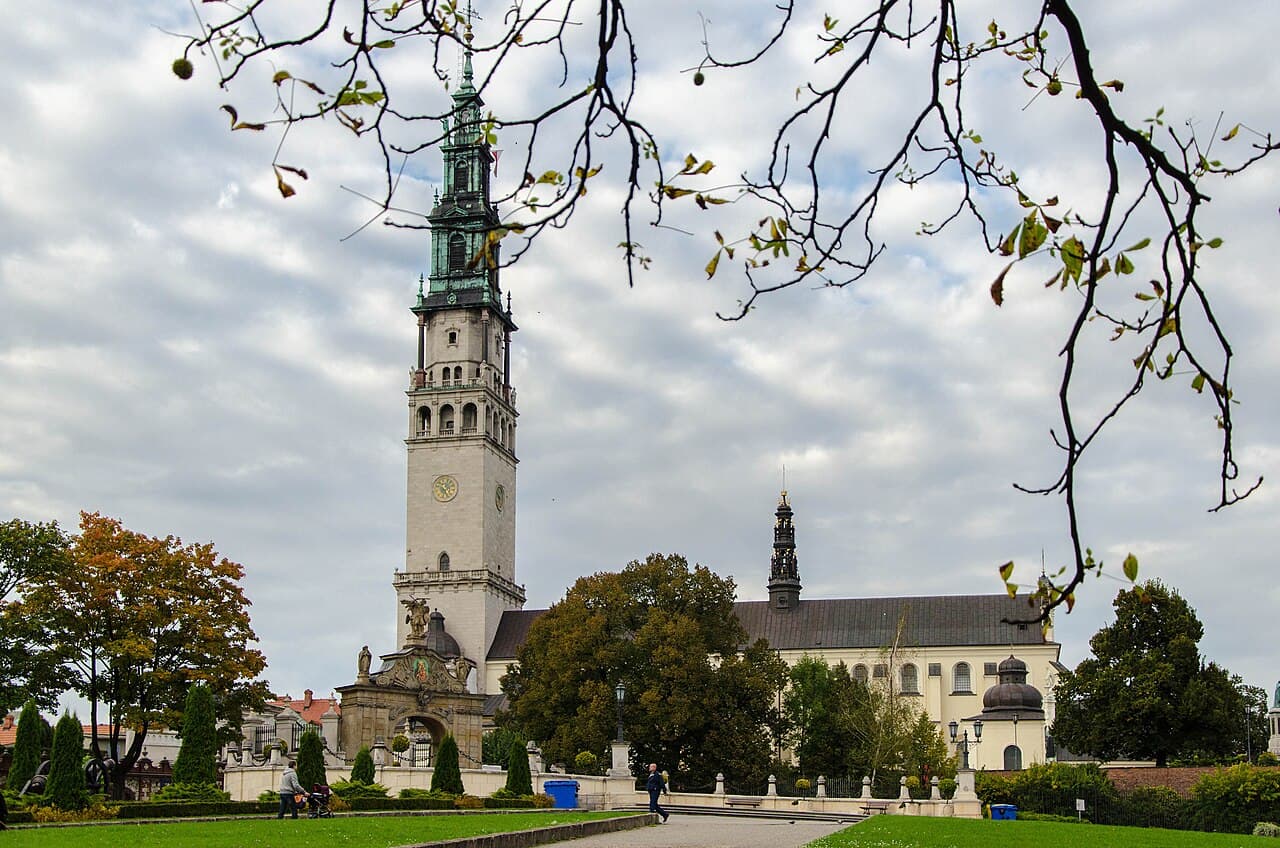
Few places in Poland stir the soul quite like Jasna Góra Monastery in Częstochowa. This is the spiritual heartbeat of Polish Catholicism - a site so deeply woven into the nation's identity that even non-religious visitors leave genuinely moved. Whether you're devout or simply curious, standing where millions of pilgrims have knelt for over 600 years is an experience that transcends tourism.
History & Background
Founded in 1382 by Polish Prince Władysław of Opole, Jasna Góra was entrusted to the Pauline monks, who have guarded it ever since. The monastery rose to legendary status in 1655 during the Swedish Deluge, when a small garrison of monks and soldiers successfully defended it against a massive Swedish siege - an event Poles regard as a national miracle. But the true heart of Jasna Góra is the Black Madonna (officially Our Lady of Częstochowa), a Byzantine-style icon of the Virgin Mary dating to at least the 14th century, bearing two distinctive scars on her cheek said to have come from a 15th-century raid. Today she is crowned as Queen of Poland, and her image appears in homes and churches across the country.
What to Expect
The monastery complex sits dramatically atop a hill and is entirely free to enter. The Chapel of Our Lady houses the Black Madonna behind an elaborate altar dripping with votive offerings - gold jewelry, military medals, crutches - left by the faithful over centuries. The chapel fills quickly with pilgrims, so expect a reverent, emotionally charged atmosphere. Beyond the chapel, explore the Baroque basilica, the Arsenal, and the treasury, which houses gifts from Polish royalty and popes. Budget a full day - there's more to absorb than most visitors anticipate, and the surrounding pilgrimage town of Częstochowa rewards a slow wander.
Insider Tip
Most visitors arrive midmorning and crowd into the chapel without realizing that the Black Madonna icon is actually covered by a silver screen for much of the day. The screen is ceremonially lowered - accompanied by trumpets and bells - at specific times: 6:00 AM, 12:00 PM, 3:00 PM, and 9:00 PM. Plan your visit around one of these unveiling ceremonies, particularly the noon or afternoon reveal, when the atmosphere in the chapel becomes extraordinary. Getting there by train from Kraków Główny takes roughly 2 to 2.5 hours and costs around 30 - 50 PLN each way - a small price for one of Central Europe's most profound experiences.
Getting there
Organised trips and tickets
Most day trips from Krakow are easier booked as a package with transport included, and the busier sites restrict independent entry during peak hours.
Some links on this page are partner links. If you book through one, Krakow.com earns a commission at no extra cost to you. It is what keeps the guide free. Who pays us.
Before you go
Quick answers
- How far is Czestochowa - Jasna Gora Monastery from Krakow?
- 140 km north of Krakow.
- How do you get from Krakow to Czestochowa - Jasna Gora Monastery?
- Train from Krakow Glowny (2-2.5 hours) or bus.
- How long should you allow for Czestochowa - Jasna Gora Monastery?
- Full day.
- How much does a trip to Czestochowa - Jasna Gora Monastery cost?
- Free entry to monastery.
Nearby, in the same direction
Compare all day trips →