Zakopane & the Tatra Mountains
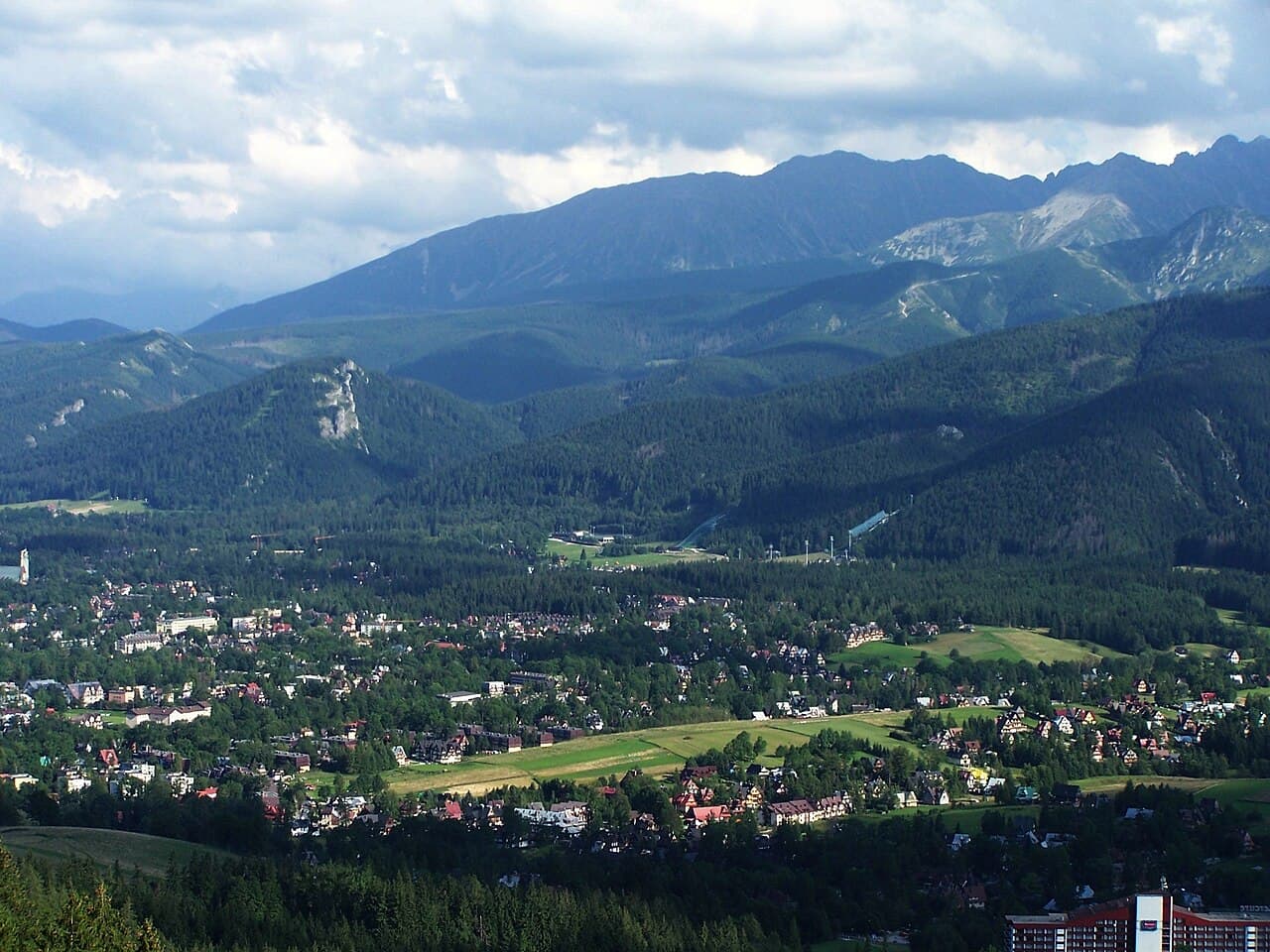
Poland's winter capital and gateway to the Tatra Mountains. In winter, excellent skiing and snowboarding. In summer, world-class hiking with trails to Morskie Oko (Eye of the Sea lake) and Kasprowy Wierch peak. The town itself has unique Goral highland culture, architecture, and cuisine.
Book ahead
Organised trips and tickets
Most day trips from Krakow are easier booked as a package with transport included, and the busier sites restrict independent entry during peak hours.
Some links on this page are partner links. If you book through one, Krakow.com earns a commission at no extra cost to you. It is what keeps the guide free. Who pays us.
Tucked beneath the dramatic peaks of the Tatra Mountains, this mountain escape offers some of the most breathtaking scenery in all of Central Europe - and it's just two hours from Krakow's front door.
History & Background
Zakopane only became a proper town in the late 19th century, but its rise was extraordinary. Polish intellectuals, artists, and writers - hungry for national identity during the years of foreign occupation - flocked here and fell in love with the rugged Góral (highland) culture. Painter Stanisław Witkiewicz was so inspired that he created the iconic Zakopane Style of wooden architecture, blending folk craft with Art Nouveau elegance. The style still defines the town today. By the early 20th century, Zakopane had earned its nickname: "Poland's Winter Capital" - a title it wears proudly to this day.
What to Expect
Zakopane rewards visitors in every season, though the experience shifts dramatically. Winter (December - March) brings excellent skiing and snowboarding on the slopes of Kasprowy Wierch, accessible via a scenic cable car (~70 PLN return). The town buzzes with energy, and the wooden architecture looks impossibly charming under fresh snow.
Summer and autumn reveal a different magic entirely. The crown jewel is the hike to Morskie Oko ("Eye of the Sea"), a glacial lake so impossibly blue it looks painted. The trail is manageable for most fitness levels - roughly 9 km each way from the car park at Palenica Białczańska. For more serious hikers, Kasprowy Wierch offers ridge walks with views stretching into Slovakia on clear days.
Wander the pedestrianised Krupówki Street for Góral food - try oscypek (smoked sheep's cheese, grilled and served with cranberry jam) from street vendors, or warm up with żurek soup in one of the timber-clad restaurants. Budget a full day minimum, or better yet, an overnight stay to catch the mountains at sunrise.
Getting there is straightforward: regular buses depart from Krakow's main bus station (Dworzec Autobusowy) roughly every hour, costing around 20 - 30 PLN each way and taking about 2 to 2.5 hours.
Insider Tip
Skip the overpriced horse-drawn carriages at Morskie Oko - they only take you partway and don't actually save much time. Instead, arrive at Palenica Białczańska early (before 8am) to beat the crowds and park easily. The lake in morning light, with mist still sitting on the water and almost no other visitors around, is something most tourists completely miss. That two-hour head start makes an enormous difference.
Before you go
Quick answers
- How far is Zakopane & the Tatra Mountains from Krakow?
- 105 km south of Krakow.
- How do you get from Krakow to Zakopane & the Tatra Mountains?
- Regular buses from Krakow bus station (2-2.5 hours), or private car.
- How long should you allow for Zakopane & the Tatra Mountains?
- Full day or overnight.
- How much does a trip to Zakopane & the Tatra Mountains cost?
- Bus ~20-30 PLN each way, cable car ~70 PLN.
Nearby, in the same direction
Compare all day trips →