Wawel Cathedral
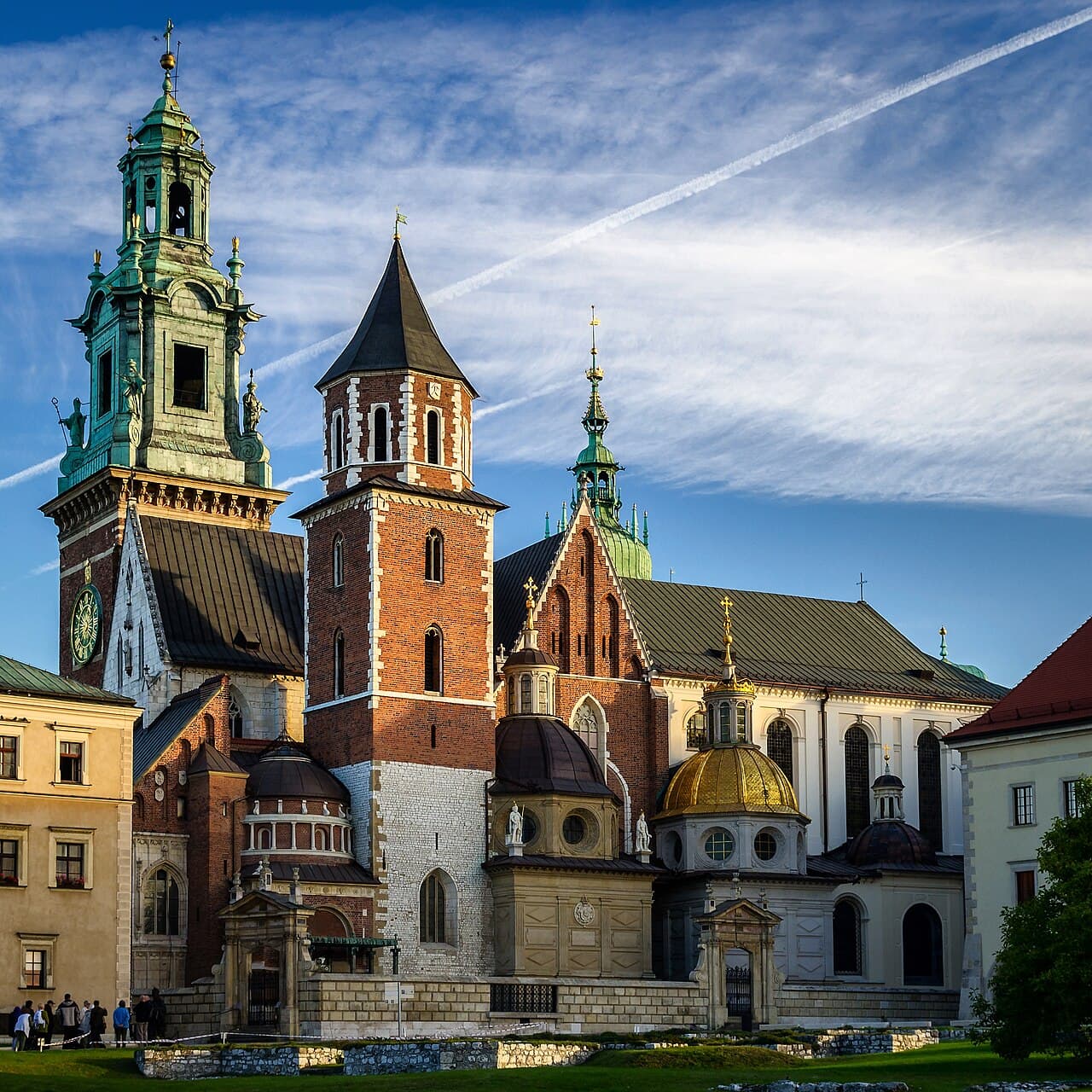
The spiritual heart of Poland where kings were crowned and buried for 500 years. The cathedral's mix of Romanesque, Gothic, Renaissance, and Baroque chapels reflects centuries of Polish history. The Sigismund Bell (1520) rings only on the most solemn occasions.
Tickets
Guided visits and skip-the-queue entry
Most of Krakow’s busier sites sell timed entry online, and several are far better with a guide who can explain what you are looking at.
Some links on this page are partner links. If you book through one, Krakow.com earns a commission at no extra cost to you. It is what keeps the guide free. Who pays us.
Few places carry the weight of an entire nation's soul quite like this hilltop cathedral. Perched atop Wawel Hill alongside the Royal Castle, Wawel Cathedral has witnessed Poland's greatest triumphs and deepest tragedies for over a thousand years - and walking through its doors feels less like sightseeing and more like stepping inside the country's memory.
History & Background
The cathedral standing today is actually the third church built on this site, with the current Gothic structure consecrated in 1364. For five centuries, it served as the coronation and burial church of Polish kings, making it the spiritual and dynastic heart of the nation. Nearly every Polish monarch from Bolesław I the Brave to Stanisław August Poniatowski is connected to these walls. The building is a fascinating architectural timeline - Romanesque crypts lie beneath soaring Gothic vaults, while side chapels burst into Renaissance and Baroque splendor as Poland's fortunes changed across the centuries. Most recently, the cathedral gained renewed significance as the longtime parish of Karol Wojtyła before he became Pope John Paul II - his former chapel draws devoted pilgrims daily.
What to Expect
Plan to spend at least 60 - 90 minutes here; rushing would be a disservice. The interior holds 18 chapels, each a distinct architectural gem. Don't miss the Sigismund Chapel - often called the finest example of Renaissance architecture north of the Alps - its gilded dome gleaming above a chapel of breathtaking elegance. Deep in the Royal Crypts beneath the nave, you'll find the sarcophagi of kings, queens, and national heroes including Tadeusz Kościuszko and Marshal Józef Piłsudski. Climbing the Bell Tower (included in the cathedral ticket) rewards you with panoramic views over Krakow's rooftops and a close encounter with the legendary Sigismund Bell, cast in 1520 and rung only on the most solemn national occasions - hearing it is considered good luck.
One ticket, 26 PLN (reduced 18 PLN), covers the cathedral, the Sigismund Bell, the Royal Tombs and the Cathedral Museum.
Insider Tip
Arrive right when the cathedral opens at 9:00 on a weekday morning. The tour groups don't typically arrive until mid-morning, giving you a rare 30 - 40 minute window to stand inside the Royal Crypts in near-total silence. The atmosphere is genuinely otherworldly - dim lighting, centuries-old stone, and the weight of history pressing in around you. It's one of those experiences in Krakow that stops you completely still, and it's almost impossible to get after 10:30.
Before you go
Quick answers
- What are the opening hours of Wawel Cathedral?
- April-October: Mon-Sat 9:00-17:00, Sun 12:30-17:00. November-March: Mon-Sat 9:00-16:00, Sun 12:30-16:00. Ticket sales close 30 minutes earlier.
- How much does it cost to visit Wawel Cathedral?
- Cathedral, Sigismund Bell, Royal Tombs and Cathedral Museum: 26 PLN, reduced 18 PLN.
Close by
All restaurants →Eating nearby
Close by
All hotels →